





On the vast stage of materials science, there is a material that seems insignificant but plays a crucial role - the transfer film. It is like an invisible magician, exerting its unique charm in multiple fields, turning the impossible into the possible and simplifying the complex. This article will take you into the world of transfer membranes, exploring their mysteries and applications.
The definition and characteristics of transfer membranes
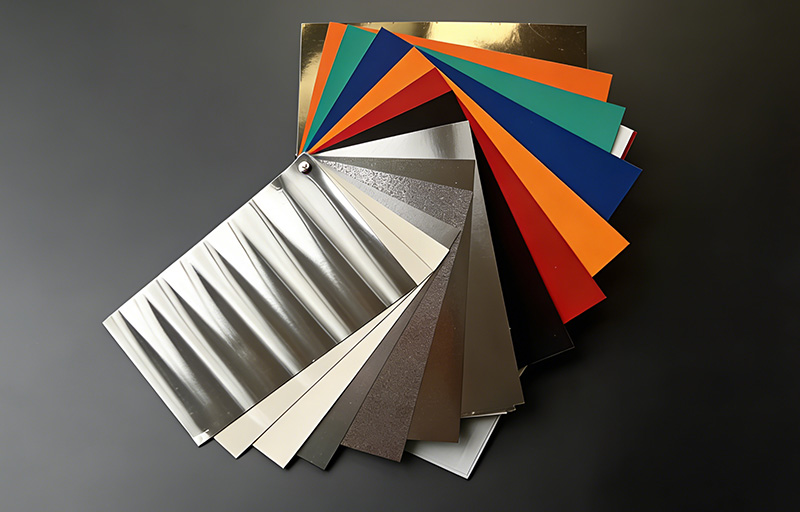
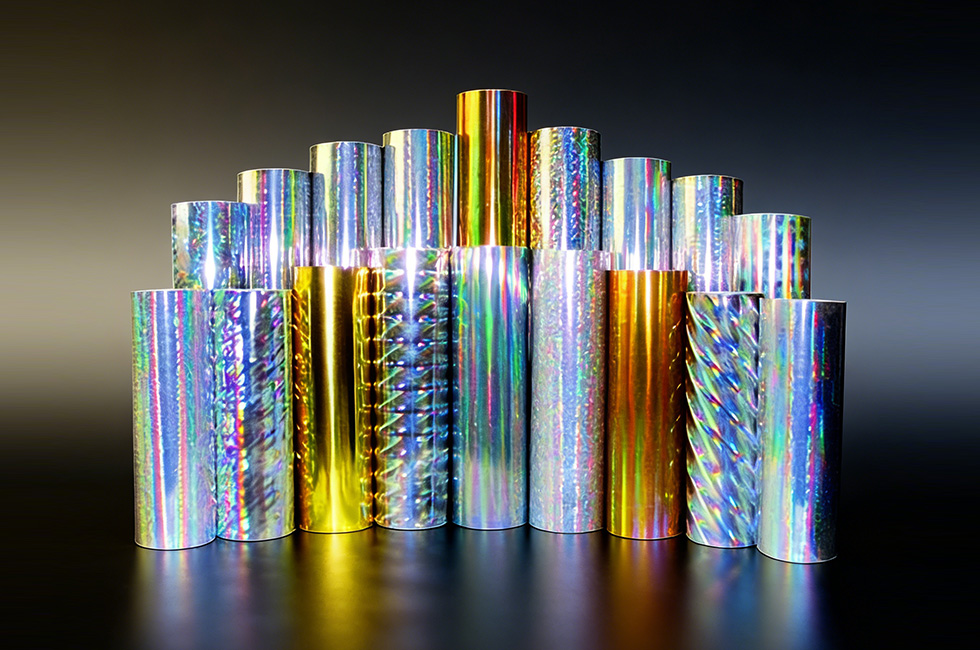
Transfer film is a kind of thin film material that can transfer specific substances or patterns. It is usually composed of a base material, an adhesive layer and a release layer, and has excellent adhesion, flexibility and peelability. Depending on different application requirements, transfer films can be transparent, colored, or even have special functions such as scratch resistance and UV protection. Its core feature lies in the ability to precisely transfer one or more layers of materials onto the target surface without damaging the original object, achieving the reuse of materials or enhancing the decorative effect.
It has a wide range of applications
Electronic product manufacturing: In the production of touch screens for electronic devices such as smart phones and tablet computers, transfer films are used to precisely bond conductive circuits or optical films onto glass or plastic substrates, ensuring touch sensitivity and display clarity.
The automotive industry: Personalized interior decoration of automobiles, such as the simulation of wood grain and carbon fiber textures, is often achieved through transfer film technology, which is both aesthetically pleasing and durable, enhancing the quality sense of the interior space.
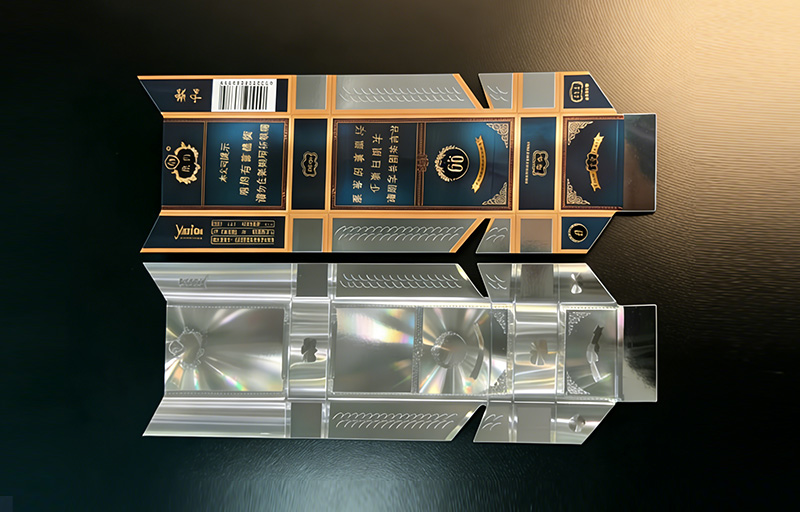
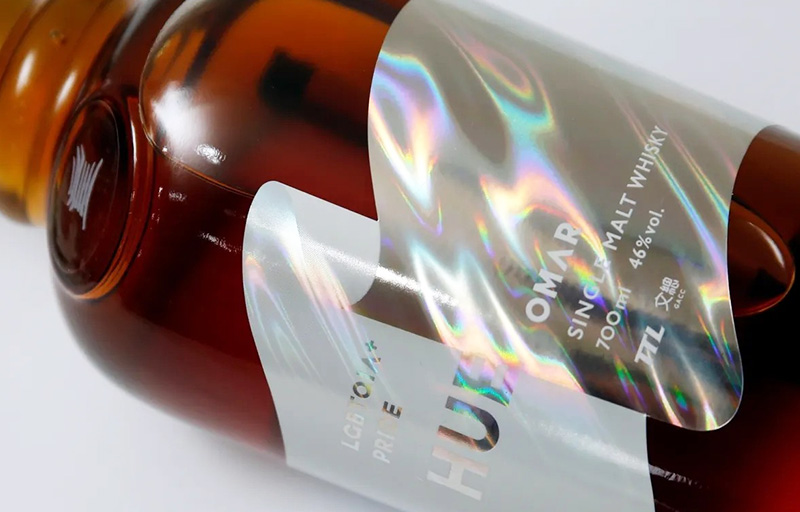
Packaging printing: In fields such as food packaging and pharmaceutical packaging, transfer films are used to print exquisite patterns or anti-counterfeiting labels, which not only enhance the visual appeal of the products but also improve the safety and anti-counterfeiting capabilities of the packaging.
Architectural decoration: In architectural decoration such as glass curtain walls and interior partitions, transfer film technology can create various patterns and color effects, adding an artistic touch to the architectural space while meeting the requirements of energy conservation and environmental protection.
Technical challenges and innovations
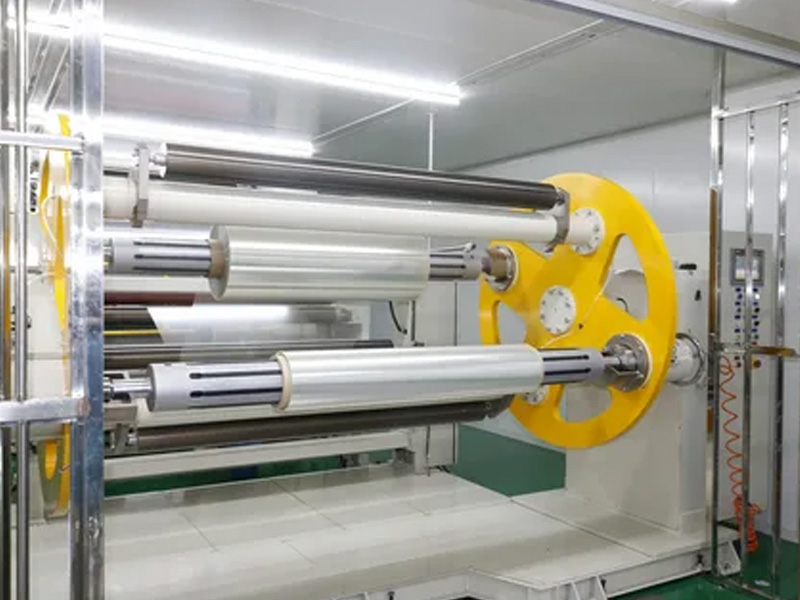
Although transfer film technology has become relatively mature, it still faces many challenges with the continuous emergence of new materials and new processes. How to improve the accuracy, durability and environmental friendliness of transfer films is a current research hotspot. For instance, develop new types of environmentally friendly adhesives and reduce the use of harmful substances; Enhance the resolution and adhesion of transfer films by using nanotechnology; And through intelligent production processes, achieve efficient and precise manufacturing of transfer films.
The transfer film, this invisible magician in materials science, is playing an irreplaceable role in various fields with its unique charm and unlimited potential. With the continuous advancement of technology and the continuous expansion of application fields, we have every reason to believe that transfer films will bring us more surprises and open a new chapter in materials science.