




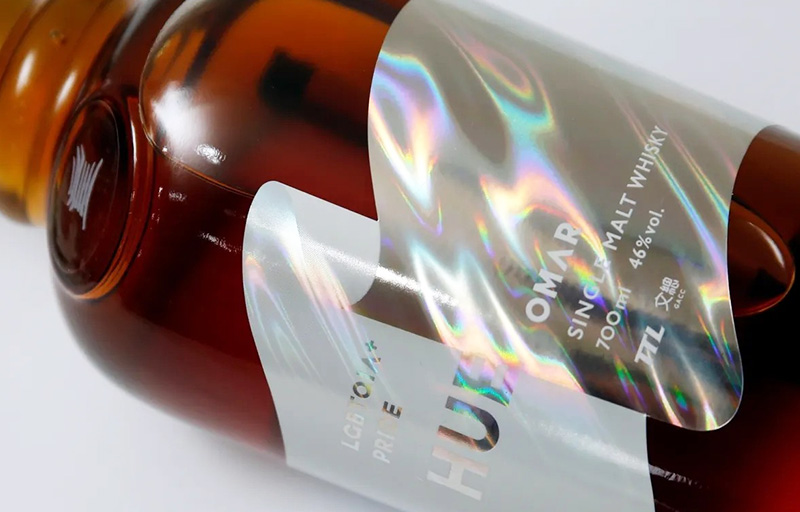

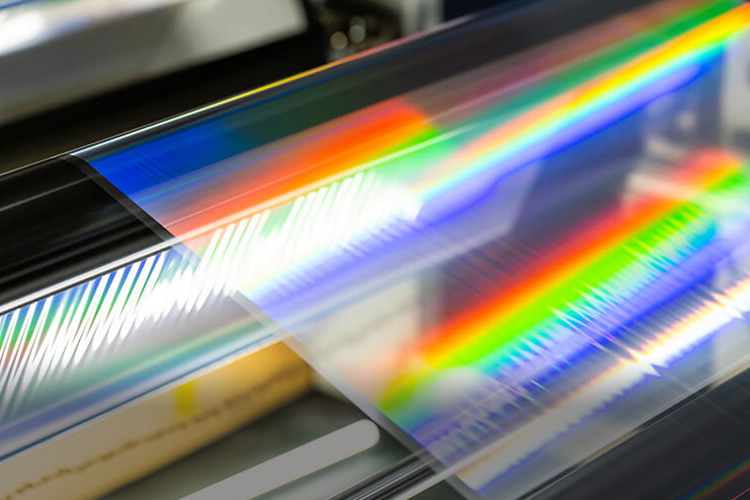
In premium packaging, holographic paperboard is increasingly adopted to enhance visual impact, brand recognition, and surface differentiation. Among the most commonly used solutions, holographic transfer paperboard and holographic laminated paperboard each offer distinct structural and performance characteristics. Understanding their differences is essential for selecting the right material for specific packaging applications.
Holographic Laminated Paperboard
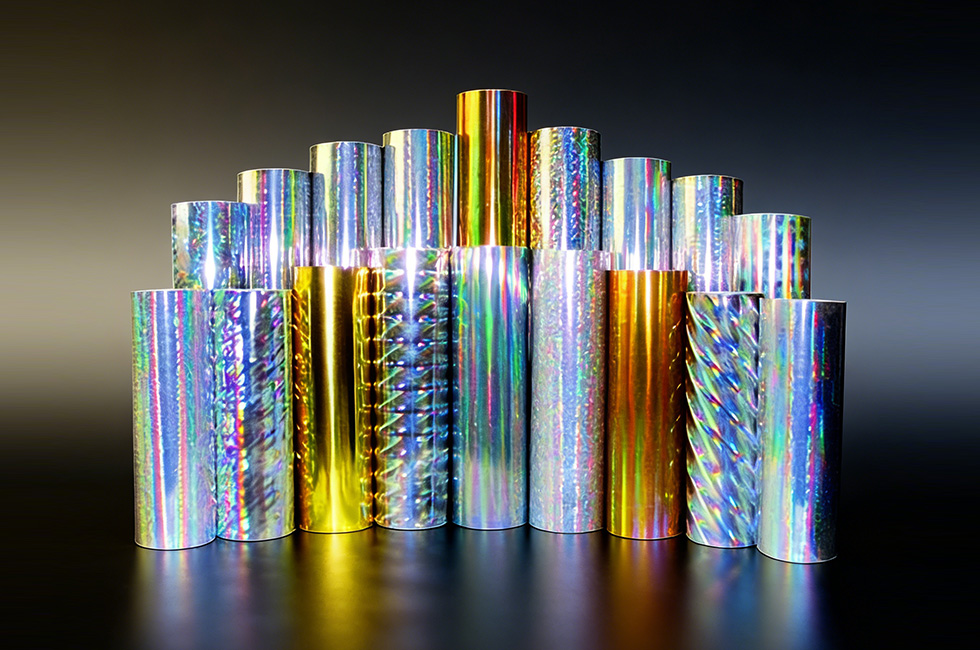
Holographic laminated paperboard is manufactured by laminating a holographic film onto the surface of paperboard using adhesive bonding. The laminated film remains as part of the final structure, forming a continuous optical and protective layer.
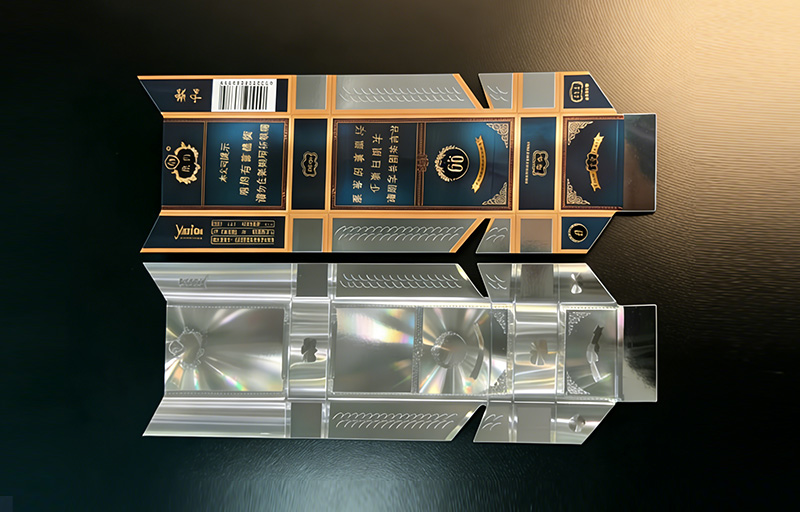
This construction provides stronger surface durability, enhanced gloss, and consistent optical performance across larger surface areas. It is also well suited for packaging applications that require moisture resistance, such as tobacco packaging, where surface protection and environmental stability are critical.
Holographic laminated paperboard is commonly used in applications that demand robust surface protection, strong visual presence, and reliable performance during handling, storage, and distribution.
The lamination structure allows for a wider range of holographic patterns and visual intensities, making it suitable for bold, high-impact packaging designs.
Holographic Laminated Paperboard
Holographic laminated paperboard is manufactured by laminating a holographic film onto the surface of paperboard using adhesive bonding. The laminated film remains as part of the final structure, forming a continuous optical and protective layer.
This construction provides stronger surface durability, enhanced gloss, and consistent optical performance across larger surface areas. Laminated paperboard is commonly used in applications that require robust surface protection, strong visual presence, or resistance to abrasion during handling and distribution.
The lamination structure also allows for a wider range of holographic patterns and visual intensities, making it suitable for bold, high-impact packaging designs.
Selecting the Right Solution
The choice between holographic transfer paperboard and laminated paperboard depends on design intent, printing method, processing requirements, and cost considerations. Transfer paperboard is typically favored for refined graphics and print-focused designs, while laminated paperboard excels in applications demanding durability and strong visual effects.
By understanding the structural differences and performance characteristics of each option, packaging designers and converters can make informed material decisions aligned with both aesthetic goals and production requirements.