



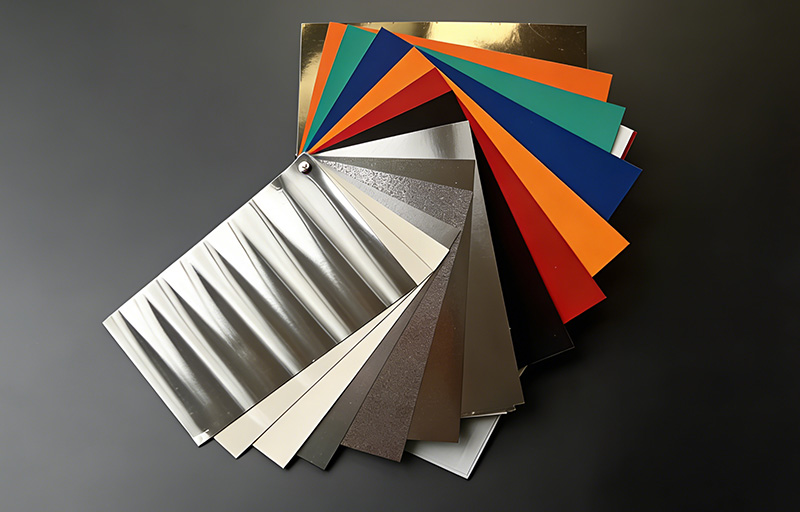
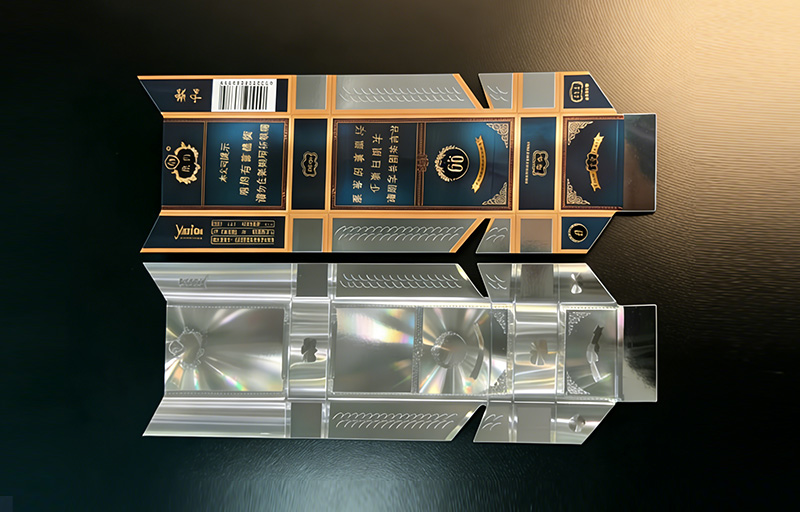
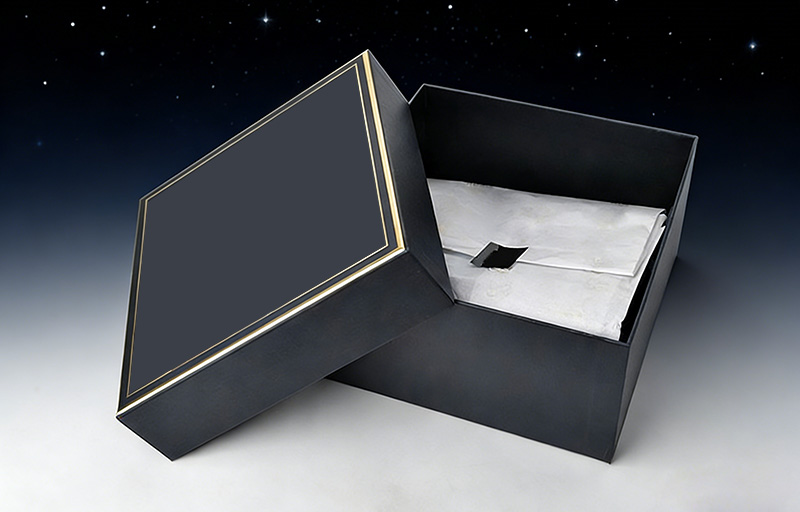

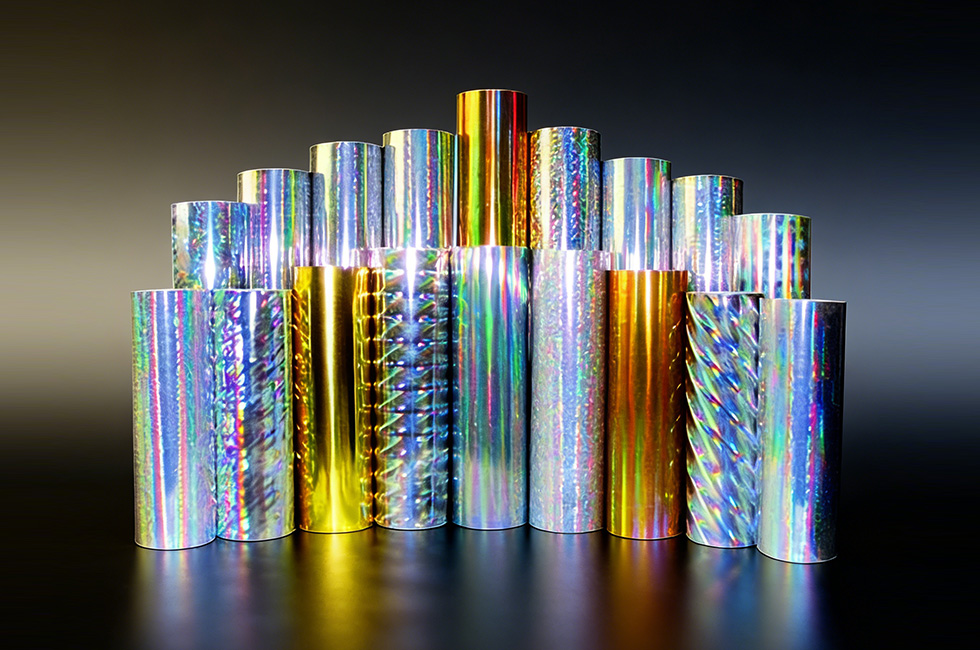
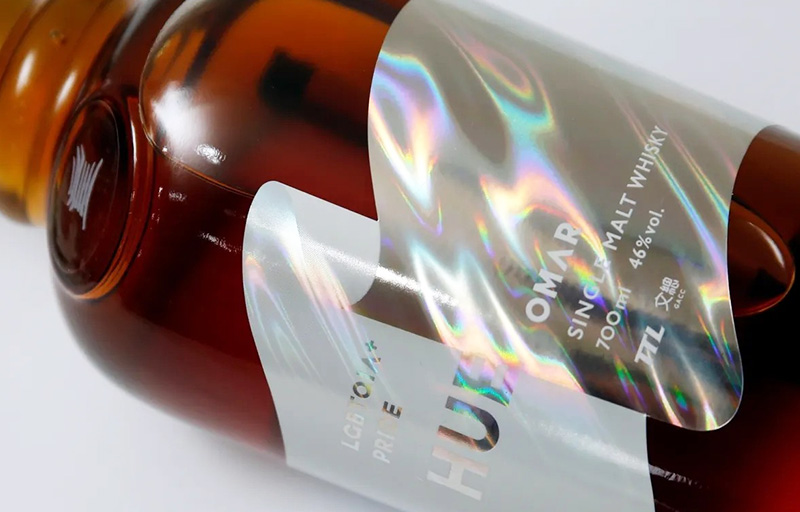

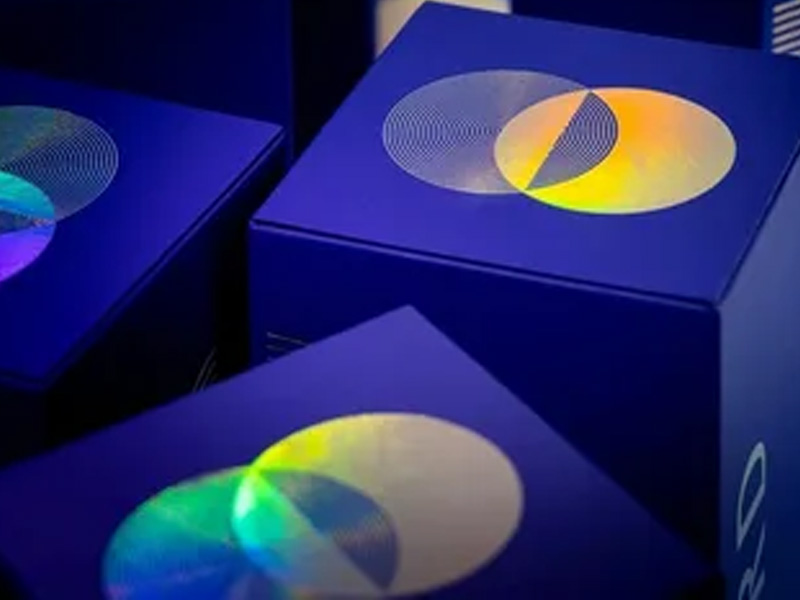
In advanced optical materials, the interaction between light and micro-nano structured surfaces is giving rise to a wide range of emerging visual phenomena. Variations in structural geometry, scale, and distribution lead to highly diverse optical effects, enabling precise control over embossed depth, dimensionality, dynamic movement, gloss, and layered visual expression. This structural approach allows for a level of image detail and spatial definition that extends well beyond the capabilities of conventional printing.
Unlike traditional printing, which relies primarily on pigments and ink layering, optical 3D materials follow a fundamentally different logic of surface expression. Through the
interaction between light and engineered micro-nano structures, colors respond dynamically to changes in lighting and viewing angle. At the same time, these structures introduce depth and spatial hierarchy into printed graphics, resulting in visual effects that appear more dimensional, fluid, and refined.
For this reason, we describe the integration of optical 3D eco-friendly materials with printing technologies as 3D Green Nano Printing.
Rather than adding complexity to existing processes, this approach introduces structural optical design at the material level, opening new possibilities for visual expression in printed packaging.
In recent years, tobacco and liquor packaging has seen increasing process complexity.
Techniques such as UV offset printing, screen printing, reverse varnish, cold foil, embossing, and engraved hot stamping are often combined on a single package to achieve premium visual effects. While effective, such process stacking significantly increases production complexity, cost, and operational risk.
Optical 3D materials offer an alternative approach.
By designing optical effects directly into the micro-nano structure of the material, certain visual outcomes traditionally achieved through post-printing processes—such as embossed depth, metallic highlights, or selective decorative effects—can be realized at the material level.
This material-driven strategy helps simplify printing workflows, reduce overall processing costs, and in many cases further enhance visual depth, light interaction, and dimensional perception. Rather than replacing visual richness, it enables a more efficient and controllable way to achieve
it.
From a broader perspective, structural optical design is becoming an increasingly important component of premium packaging materials. It represents a shift toward more efficient, scalable, and sustainable visual solutions, reshaping the relationship between printing processes and
material innovation.