



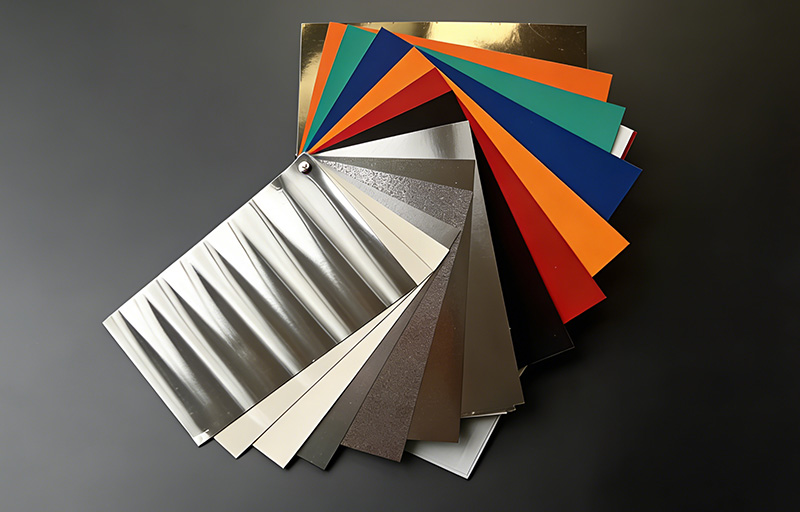
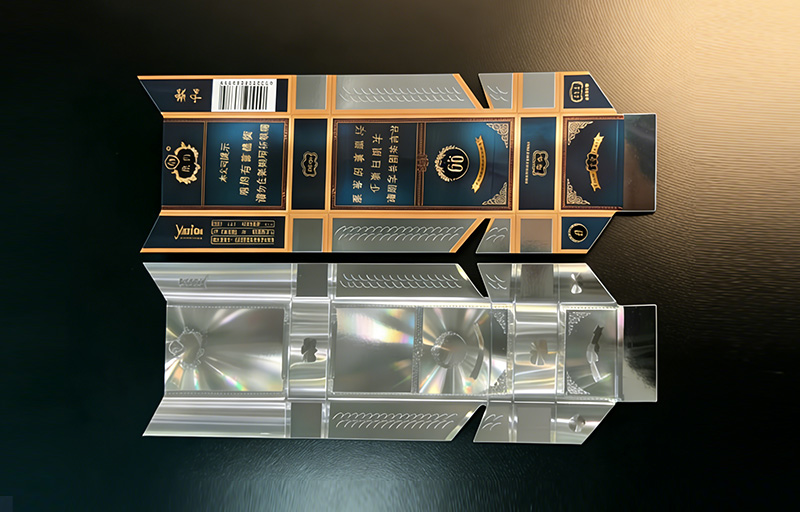
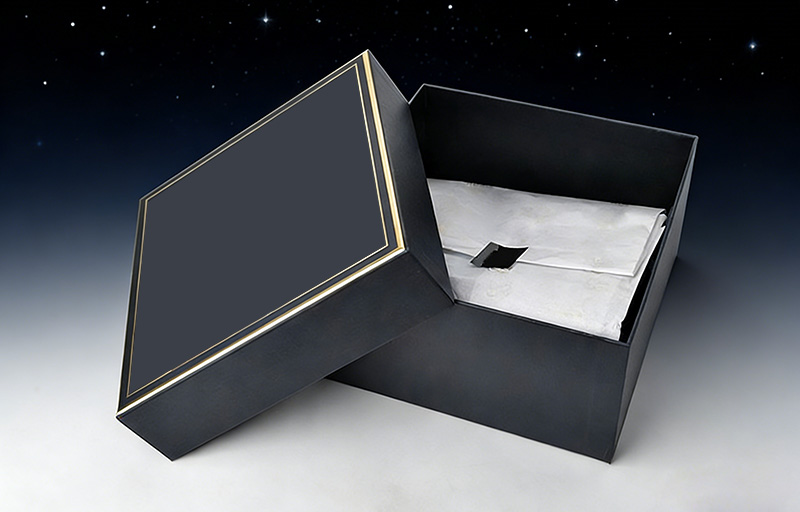

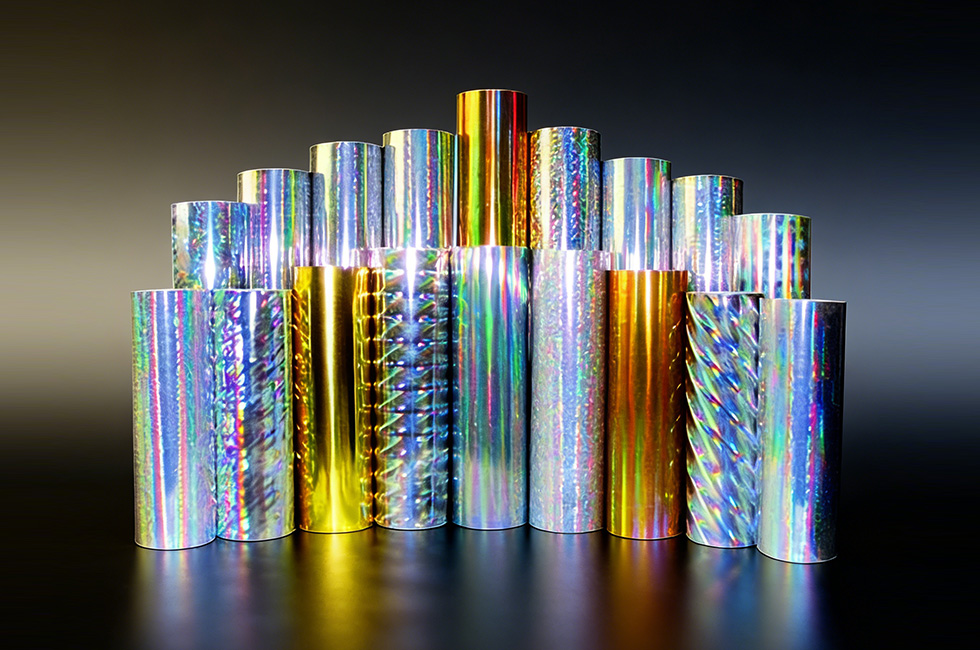
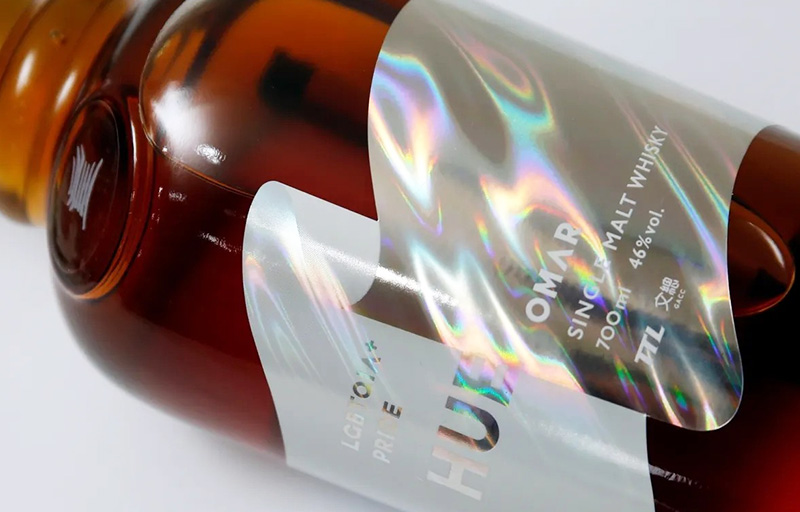

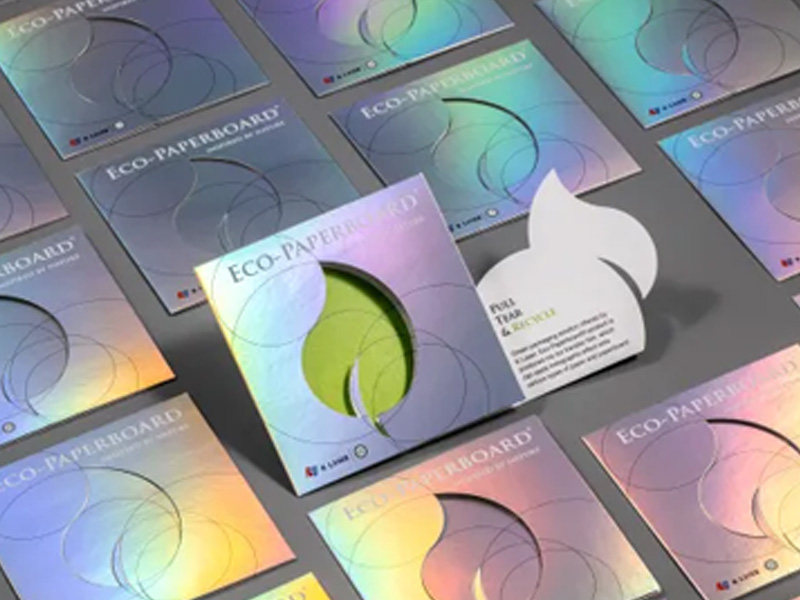
As holographic paperboard becomes more widely adopted in premium packaging, its compatibility with printing processes is a key consideration for designers, converters, and brand owners. Printability not only affects visual quality, but also production efficiency, consistency, and overall packaging performance.
Understanding how holographic paperboard behaves in offset and digital printing environments helps ensure reliable results throughout the production process.
Surface Characteristics and Ink Interaction
Holographic paperboard introduces an optical layer onto the paperboard surface, which changes the way inks interact with the substrate compared to conventional coated paperboard. Surface energy, smoothness, and absorbency all influence ink adhesion, drying behavior, and color reproduction.
Transfer paperboard, with its thin optical layer integrated directly onto the paperboard surface, typically maintains printing characteristics closer to traditional paperboard. This makes it well suited for designs that require precise color control, fine text, and detailed graphic elements.
Laminated paperboard, by contrast, presents a film-based surface that may require adjusted ink formulations or surface treatments to achieve optimal ink anchoring and consistency.
Offset Printing Considerations
In offset printing, stable ink transfer and controlled drying are essential for consistent results.
Holographic paperboard generally performs well when printing parameters such as ink density, fountain solution balance, and pressure settings are properly optimized.
Transfer paperboard is often preferred in offset applications that demand high-resolution graphics and smooth tonal transitions. Laminated paperboard can also be offset printed successfully, particularly when surface treatments or compatible inks are applied to enhance adhesion.
Close coordination between material selection and press setup helps minimize issues such as ink set-off, uneven coverage, or color shift.
Digital Printing Compatibility
Digital printing places different demands on paperboard materials, particularly in terms of surface uniformity and toner or inkjet compatibility. Holographic paperboard used in digital printing must support consistent toner fusing or ink absorption without compromising optical effects.
Transfer paperboard is commonly used in digital printing workflows due to its balanced surface properties and compatibility with a wide range of digital presses. Laminated structures may require validation depending on film type, coating, and press technology.
Achieving Stable Production Results
Successful printing on holographic paperboard relies on material consistency, process control, and proper testing during the design and pre-production stages. Trial prints, press-side adjustments, and collaboration between material suppliers and converters play an important role in ensuring repeatable quality.
By selecting the appropriate holographic paperboard structure and aligning it with the intended printing process, packaging producers can achieve both visual impact and reliable production performance.